Pilea Microphylla
Not listed does not mean safe.
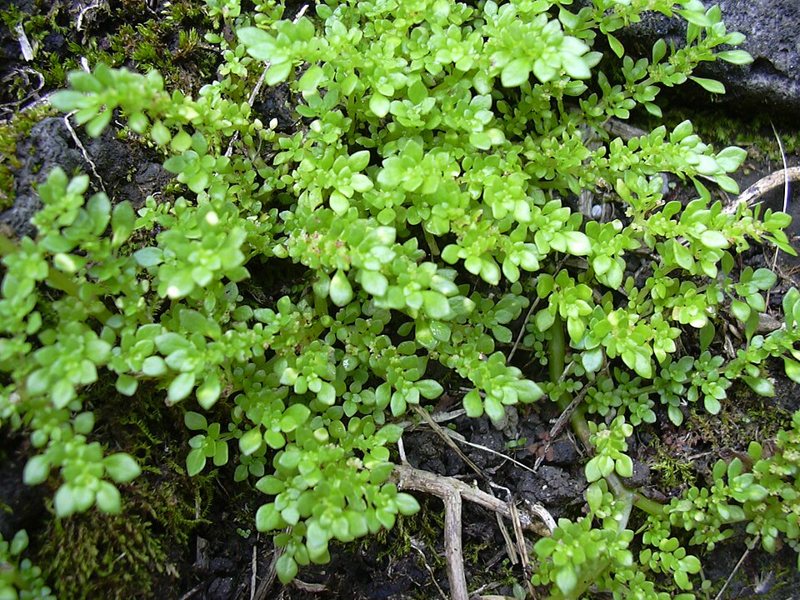
Forest & Kim Starr · CC BY 3.0 · Photo source · shows: Pilea microphylla

Pilea microphylla
Also known as: Artillery Plant
Family: Urticaceae · ASPCA plant record
Verdict at a glance
Show all animals
Evidence by animal
| Animal | Verdict | Basis | Plant parts | Sources | Evidence link |
|---|---|---|---|---|---|
| Companion mammals | |||||
| Cats | Cats: ✓ Non-toxic | Not specified | ASPCA Toxic and Non-Toxic Plants Poison control | evidence | |
| Dogs | Dogs: ✓ Non-toxic | Not specified | ASPCA Toxic and Non-Toxic Plants Poison control | evidence | |
| Horses & livestock | |||||
| Horses | Horses: ✓ Non-toxic | Not specified | ASPCA Toxic and Non-Toxic Plants Poison control | evidence | |
Source excerpts
ASPCA Toxic and Non-Toxic Plants — Cats, Dogs, Horses
poison-control
Non-Toxic to Dogs, Non-Toxic to Cats, Non-Toxic to Horses
Source checked 2026-10-27
Read original sourceNo evidence collected in this database yet for 20 animals
No evidence collected in this database yet for: Rabbits, Guinea pigs, Hamsters, Rats, Mice, Chinchillas, Ferrets, Pet birds (general), Parrots (macaws, Amazons, African greys…), Budgerigars (budgies), Cockatiels, Lovebirds, Canaries, Finches, Pigeons & doves, Tortoises, Bearded dragons, Iguanas, Goats, Chickens & other poultry
No supported claim has been collected for these animals. Not listed does not mean safe; do not infer suitability from another species.
Toxic principles
ASPCA, as published: Non-toxic Source
Clinical signs
ASPCA, as published: Not provided Source
Last verified (ASPCA record): 2026-10-27. Source access dates and limitations.
Similar plants (same family)
Shared family is not a shared verdict. Check each plant separately.